School and college students, age-defined youth groups, educators and caregivers, with sessions adapted for each audience.
← Back to CSR partnershipsPROGRAMME FOCUS • SUBHASHAN FOUNDATION
Help young minds build stronger coping skills.
Age-appropriate mental wellbeing awareness for schools, colleges and youth groups—supporting emotional literacy, safer choices and the confidence to seek help.
Discuss this programme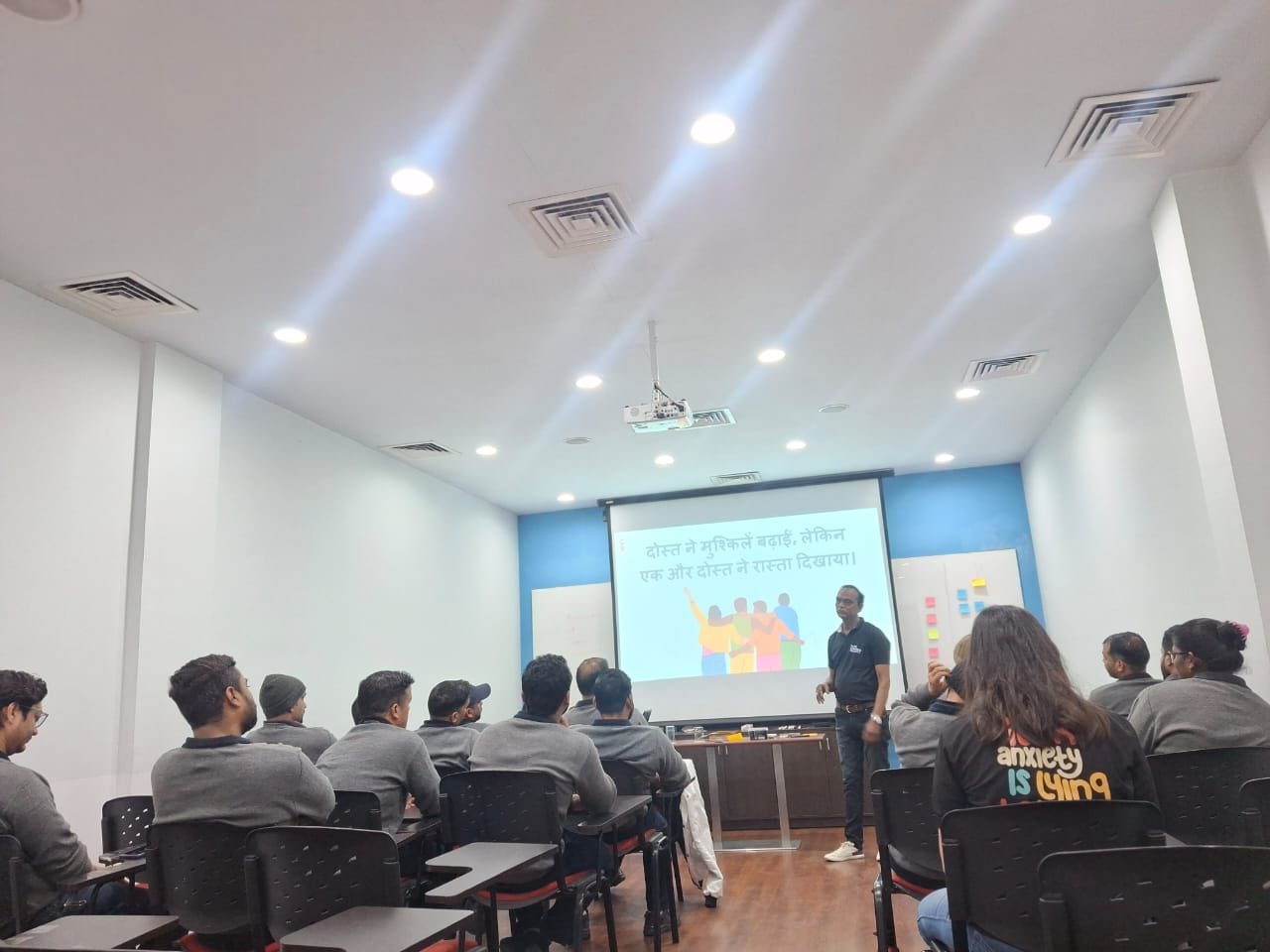
WHY THIS MATTERS
Wellbeing is part of how young people learn and grow.
Students carry exam pressure, friendship challenges, family expectations and online experiences into the classroom. Knowing how to name feelings and ask for support matters.
This proposed programme brings accessible conversations and practical life skills into educational settings. It complements—not replaces—teachers, school counsellors, parents or mental health professionals.
Emotional literacy, practical coping, peer-pressure awareness, positive help-seeking and a kinder school environment.
Participatory learning through stories, guided reflection and group activities, with school-approved safeguarding measures.
What the programme can cover.
Content is selected with the partner to fit the audience, setting, language and learning needs.
Understanding emotions
Recognise stress, worry, sadness and everyday changes in mood without labelling classmates or diagnosing mental health conditions.
Coping with pressure
Explore practical ways to pause, problem-solve, manage exam pressure and make healthier choices when emotions run high.
Peer relationships & safety
Talk about peer pressure, bullying, respectful communication, digital wellbeing and when to involve a trusted adult.
Asking for support
Understand who a trusted adult may be, how to speak up and why professional help can be important when difficulties persist.
From conversation to practical learning.
A programme can be delivered as an introductory session, a workshop series or a locally designed pilot.
01
Plan with the institution
Agree age groups, learning goals, staff involvement, permissions, language and safeguarding arrangements.
02
Facilitate engaging sessions
Use discussion, relatable scenarios and age-appropriate activities in an inclusive, non-judgmental environment.
03
Reinforce learning
Share agreed take-home prompts or educator resources and collect suitable anonymous learning feedback.
Programme duration, facilitator roles, safeguarding, permissions, accessibility and cost are confirmed with the partner before delivery.
WHAT WE WANT PARTICIPANTS TO GAIN
Clearer understanding. Useful next steps.
These are intended learning outcomes, not guaranteed health or behavioural results.
- Name feelings and recognise when stress needs attention
- Try a few healthy coping and communication tools
- Respond to peers with greater empathy and less judgment
- Identify trusted adults and appropriate routes to support
A few things you may want to know.
Can you adapt the programme for different age groups?
Yes. The language, examples and activities are discussed with the institution and tailored to the age and developmental needs of participants.
Can teachers and parents be included?
Where useful, separate sensitisation or caregiver sessions can be considered so adults can reinforce the same supportive messages.
Is it a replacement for school counselling?
No. Awareness supports understanding and help-seeking. Students who need individual assessment or care should be directed to qualified professionals through the school’s agreed process.
LET’S CONNECT
Let’s bring practical wellbeing learning to young minds.
Tell us the institution, age group, city, preferred language and learning goals. We can discuss an appropriate school or CSR-supported programme.