
Employees, frontline or field teams, team leads, supervisors and HR or L&D departments, in audience-appropriate groups.
← Back to Corporate WellnessCORPORATE PROGRAMME • FOR HR & PEOPLE LEADERS
Understand stress. Build healthier responses.
Practical, stigma-free workplace learning to recognise pressure, strengthen everyday coping and create more supportive team conversations.
Discuss this programme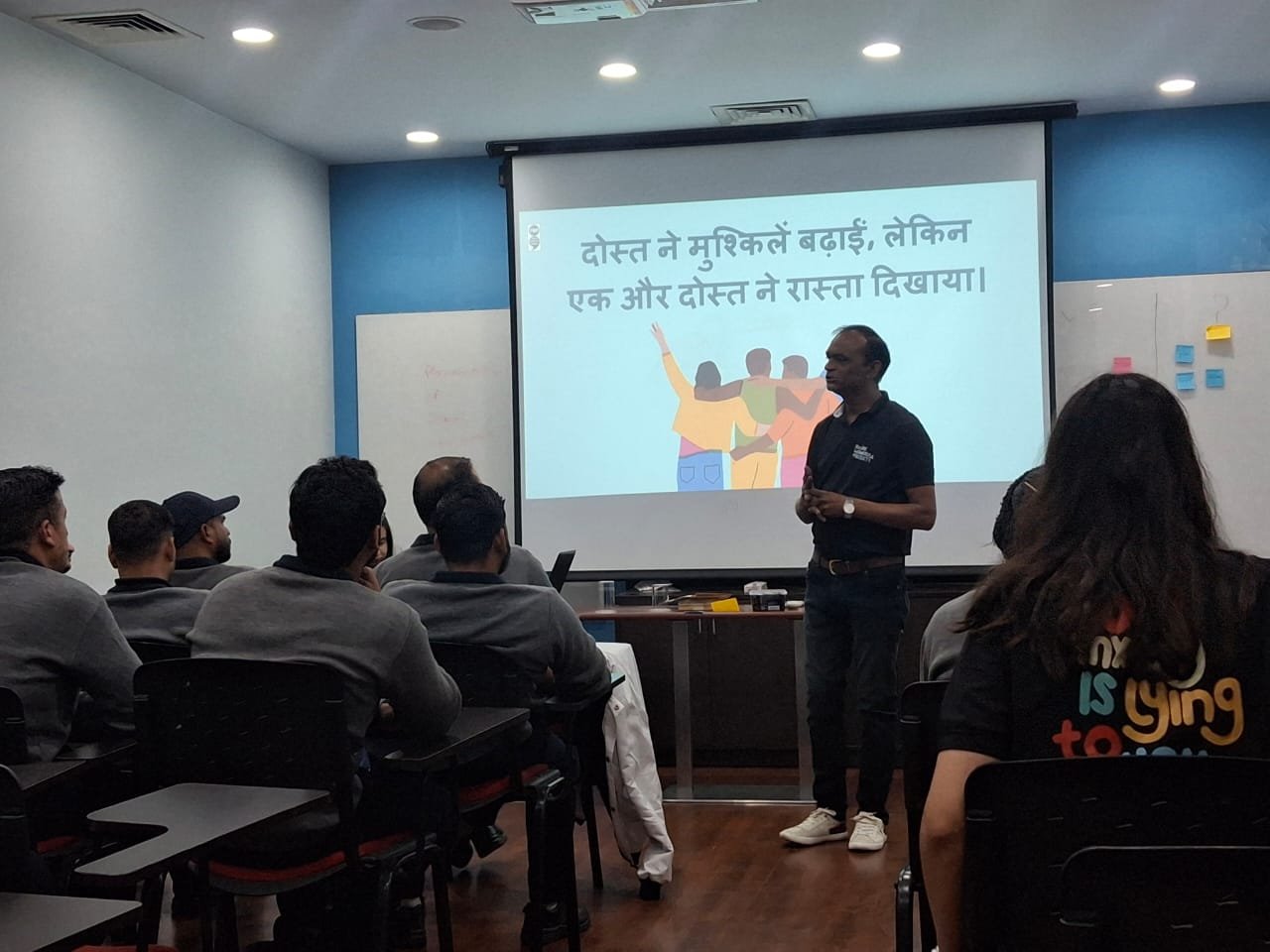
WHY THIS MATTERS
Stress deserves understanding, not silence.
Work demands, uncertainty, interpersonal tensions and challenges outside work can affect how employees feel and function. Knowing how to recognise stress is a useful first step.
A workshop can build awareness and individual coping skills, but it cannot replace an employer’s responsibility to address harmful working conditions, workloads and organisational risks. We discuss both personal and workplace factors with HR teams.
Greater stress literacy, emotional self-awareness, healthier coping habits and confidence in seeking suitable assistance.
Interactive presentations, practical reflection, relatable workplace examples and guided skill exercises without mandatory personal disclosure.
What the programme can cover.
Content is selected with the partner to fit the audience, setting, language and learning needs.
Understanding stress signals
Differentiate everyday pressure from signs that additional care may be needed, while avoiding self-diagnosis or labels.
Practical coping in the workday
Explore short grounding, pausing, prioritisation and communication techniques that employees can practise appropriately.
Workload & supportive culture
Discuss boundaries, respectful teamwork, realistic expectations and when organisational conditions need attention.
Help-seeking without stigma
Identify how to approach a trusted person, occupational health provider or qualified professional for further support.
From conversation to practical learning.
A programme can be delivered as an introductory session, a workshop series or a locally designed pilot.
01
Understand the workforce
Agree location, role mix, language, format, wellbeing goals and existing company support resources.
02
Deliver relevant learning
Use interactive workplace scenarios, group discussion and voluntary practice of suitable coping tools.
03
Reflect with HR
Collect anonymous learning feedback and discuss appropriate follow-up resources without sharing employee health information.
Programme duration, facilitator roles, safeguarding, permissions, accessibility and cost are confirmed with the partner before delivery.
WHAT WE WANT PARTICIPANTS TO GAIN
Clearer understanding. Useful next steps.
These are intended learning outcomes, not guaranteed health or behavioural results.
- Recognise common stress reactions and possible warning signs
- Practise practical self-regulation and communication skills
- Understand the value of supportive teams and reasonable work expectations
- Know when and where to seek qualified support
A few things you may want to know.
Is this only for employees experiencing stress?
No. It is preventive learning for teams, with content adjusted for employees, managers or HR audiences. It is not a group therapy session.
Can it be delivered online or at our office?
Both formats can be discussed. We confirm logistics, language, duration, accessibility and facilitator availability before a proposal.
Will a workshop solve workplace stress?
No single workshop can fix systemic risks. It can support awareness and coping, while employer-led changes to working conditions remain essential.
LET’S CONNECT
Let’s make wellbeing a practical workplace conversation.
Share your industry, location, team size, language and learning objectives. We can discuss a suitable paid awareness workshop.