Employees, supervisors, HR and employee-relations teams, EHS teams and organisations seeking an educational prevention component.
← Back to Corporate WellnessCORPORATE PROGRAMME • PREVENTION & SUPPORT
A safer workplace starts with informed conversations.
Responsible workplace substance-use education that connects prevention, dignity, employee wellbeing and appropriate routes to support.
Discuss this programme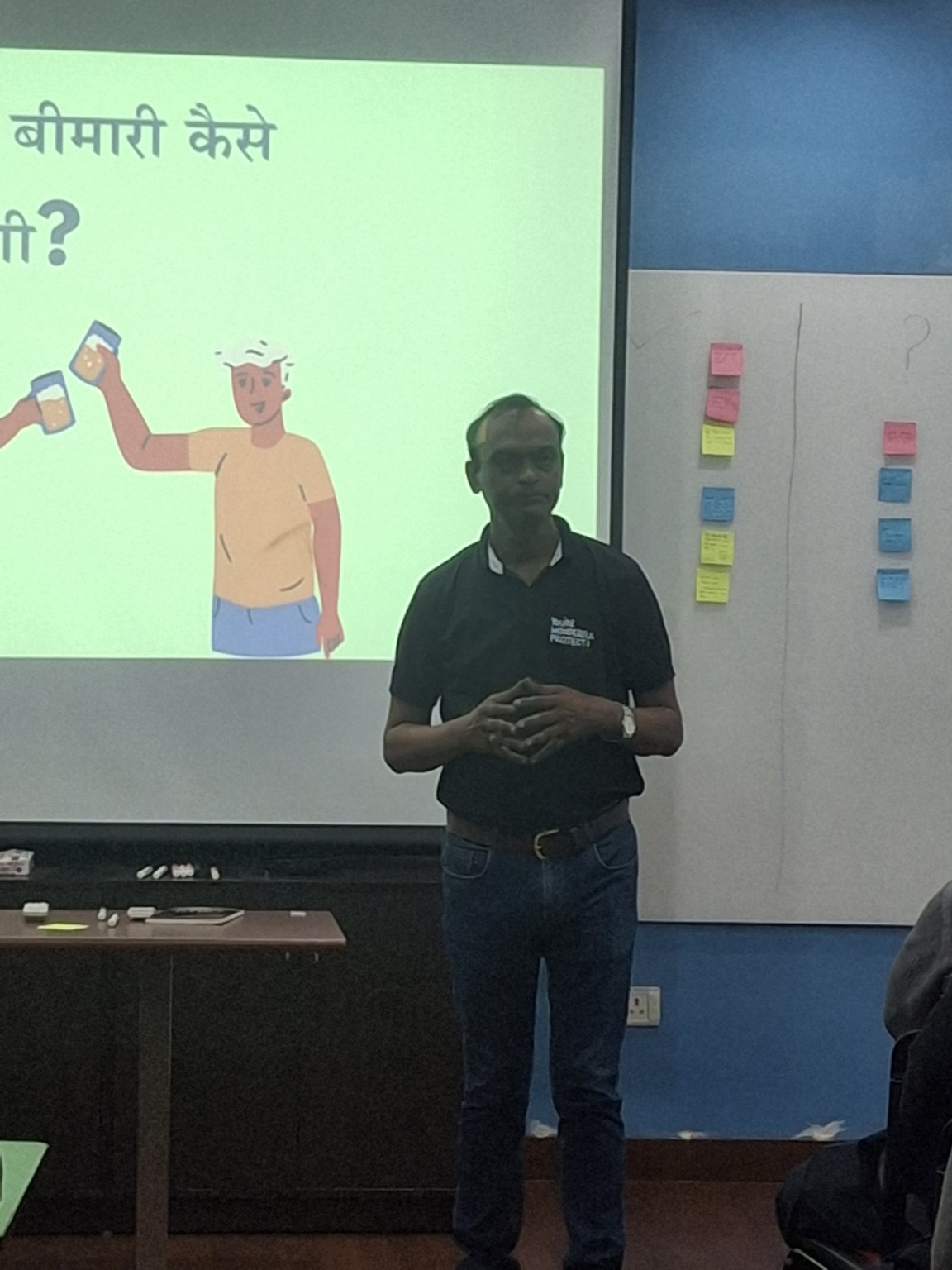
WHY THIS MATTERS
Prevention works best when employees are informed and treated fairly.
Alcohol and other substance-related concerns can intersect with health, judgement, relationships and workplace safety. Stigma can make it harder for people to ask questions or seek help.
An awareness programme helps teams understand risks and supportive responses. It can complement, but does not replace, a fair workplace policy, occupational health process or professional clinical service.
Improve understanding of risks, respectful language, early support pathways and the responsibilities of employees and people leaders.
Non-sensational, practical discussions with role-specific examples and optional lived-experience perspectives used responsibly.
What the programme can cover.
Content is selected with the partner to fit the audience, setting, language and learning needs.
Understanding substance-use risk
Explore substance use, dependence, common myths and why health and safety considerations matter in different work settings.
Stigma & safer conversations
Practise non-accusatory language and learn why assumptions, public confrontation and gossip can cause harm.
Healthy coping & early support
Discuss stress, social pressure, coping alternatives and appropriate ways to ask for confidential professional assistance.
Managers, policy & referrals
Clarify the distinction between education, observation, workplace procedures and clinical assessment or treatment.
From conversation to practical learning.
A programme can be delivered as an introductory session, a workshop series or a locally designed pilot.
01
Review workplace context
Discuss audience, industry, safety-sensitive roles, existing policies and accessible support options without individual case details.
02
Facilitate a respectful session
Use facts, scenarios and healthy-coping discussion without shaming, graphic stories or public identification of individuals.
03
Agree next-step information
Provide appropriate signposting and anonymous learning feedback while keeping employer processes separate from the workshop.
Programme duration, facilitator roles, safeguarding, permissions, accessibility and cost are confirmed with the partner before delivery.
WHAT WE WANT PARTICIPANTS TO GAIN
Clearer understanding. Useful next steps.
These are intended learning outcomes, not guaranteed health or behavioural results.
- Understand basic substance-use risks and how myths create stigma
- Recognise when support or professional advice may be needed
- Use more respectful language when discussing concerns
- Know the difference between awareness, workplace policy and clinical treatment
A few things you may want to know.
Can you train supervisors separately from employees?
Yes. A manager-sensitisation discussion can focus on respectful communication, role boundaries, existing policy and referral pathways.
Does the programme include employee screening or drug testing?
No. Our proposed service is education and prevention. Any workplace testing, if used, is a separate legal, medical and employer-policy matter.
Will personal addiction stories be discussed?
Lived experience may inform the learning, but nobody in the audience is asked to disclose private information, and individual treatment is not delivered in the workshop.
LET’S CONNECT
Let’s build substance-use awareness without stigma.
Tell us the workforce profile, industry and awareness objectives. We can explore a suitable paid employee or manager programme.