Parents, caregivers, family members, community organisations, youth-group leaders and interested local residents.
← Back to CSR partnershipsPROGRAMME FOCUS • SUBHASHAN FOUNDATION
Support starts with listening and understanding.
Community and family-focused awareness that helps caregivers, loved ones and local groups respond to emotional distress and addiction concerns with dignity.
Discuss this programme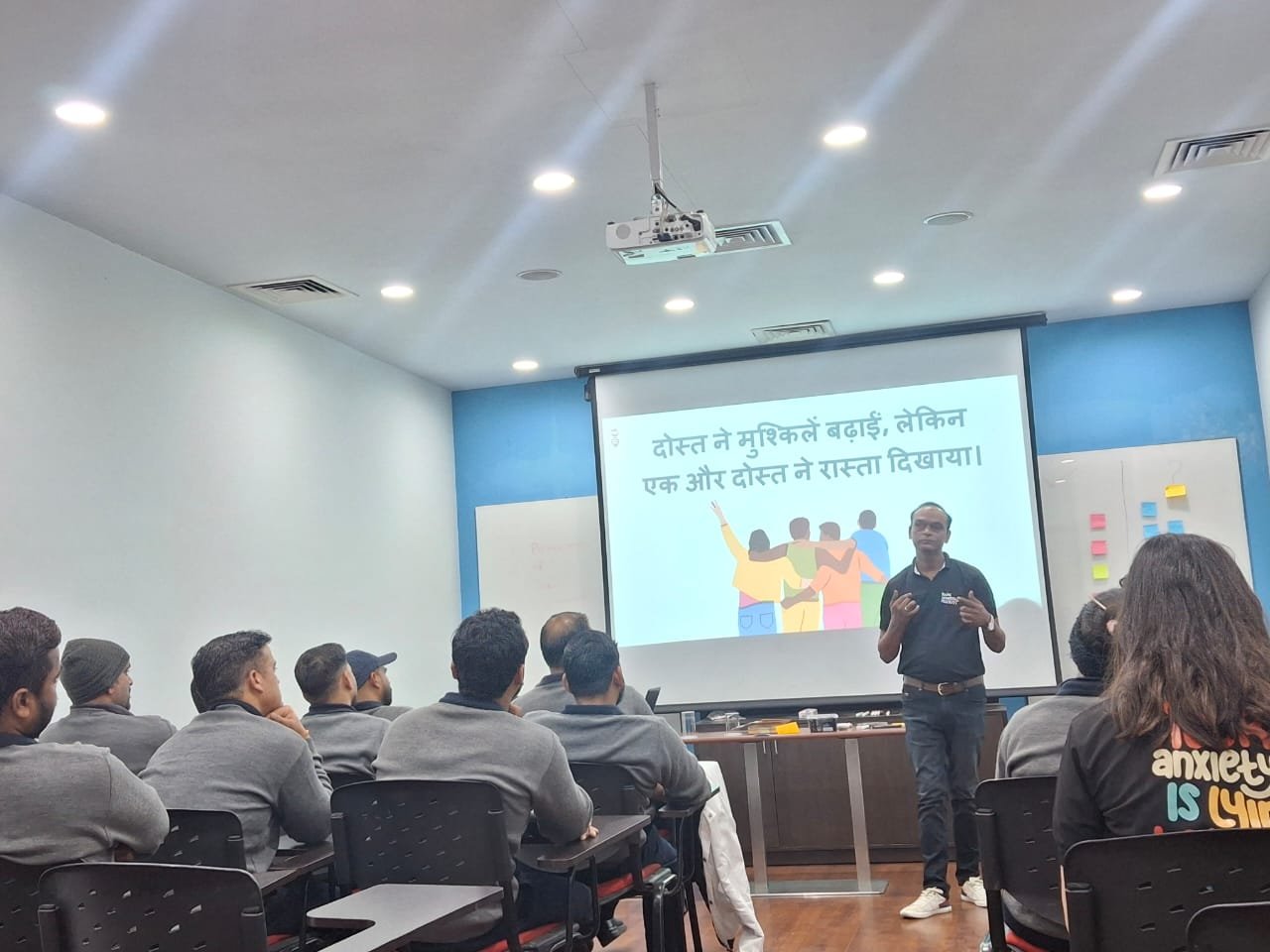
WHY THIS MATTERS
Behind one person’s struggle, there are often worried families.
When a loved one is struggling, families may feel frightened, confused or isolated. Blame and silence can make it harder to find a constructive next step.
A supportive community programme can explain common challenges in simple language, encourage healthier conversations and make information about suitable services easier to access. Education is not a promise to resolve complex family or clinical needs.
Greater empathy, communication skills, informed boundaries, stigma reduction and confidence in seeking suitable assistance.
Facilitated small-group or community sessions, caregiver orientation and locally relevant signposting, with privacy-conscious participation.
What the programme can cover.
Content is selected with the partner to fit the audience, setting, language and learning needs.
Listening without blame
Explore how to start difficult conversations, validate feelings and respond without humiliation, labels or threats.
Healthy care & boundaries
Discuss practical boundaries, shared responsibilities and the difference between supporting someone and trying to control them.
Recognising when help is needed
Understand when changes in behaviour, distress or substance use call for assessment or additional professional support.
Community connection
Identify trusted local resources, support networks and ways that families and community leaders can reduce isolation.
From conversation to practical learning.
A programme can be delivered as an introductory session, a workshop series or a locally designed pilot.
01
Listen to community needs
Connect with local partners to understand language, participation barriers and available health and social support.
02
Create safe learning spaces
Run respectful group education using relatable examples, reflection and practical communication exercises.
03
Agree realistic next steps
Share appropriate referral information, simple family-learning prompts and anonymised programme feedback.
Programme duration, facilitator roles, safeguarding, permissions, accessibility and cost are confirmed with the partner before delivery.
WHAT WE WANT PARTICIPANTS TO GAIN
Clearer understanding. Useful next steps.
These are intended learning outcomes, not guaranteed health or behavioural results.
- Use more supportive and less judgmental communication
- Understand how healthy boundaries can protect everyone involved
- Recognise concerns that need qualified professional help
- Know where to begin asking for local support or referral
A few things you may want to know.
Is this only for families affected by addiction?
No. Sessions may address everyday stress, communication, youth wellbeing and family support, with addiction-related learning included when relevant.
Can local NGOs or community groups host a session?
Yes. A school, community organisation, CSR team or local institution can discuss an appropriate audience, venue and programme scope with us.
Do you provide therapy or emergency intervention during these sessions?
These are primarily awareness and education formats. Individual clinical care, crisis response and treatment referrals must be handled by qualified services.
LET’S CONNECT
Let’s strengthen support around families and communities.
Tell us the community, target audience, language and partnership goals. We can explore a suitable awareness or caregiver-learning programme.