Adolescents, college youth, community groups, parents, educators and frontline teams, in suitably separated audience groups.
← Back to CSR partnershipsPROGRAMME FOCUS • SUBHASHAN FOUNDATION
Prevention begins with understanding, not fear.
A respectful educational approach to substance-use risk, healthier coping and early help-seeking for young people, families and communities.
Discuss this programme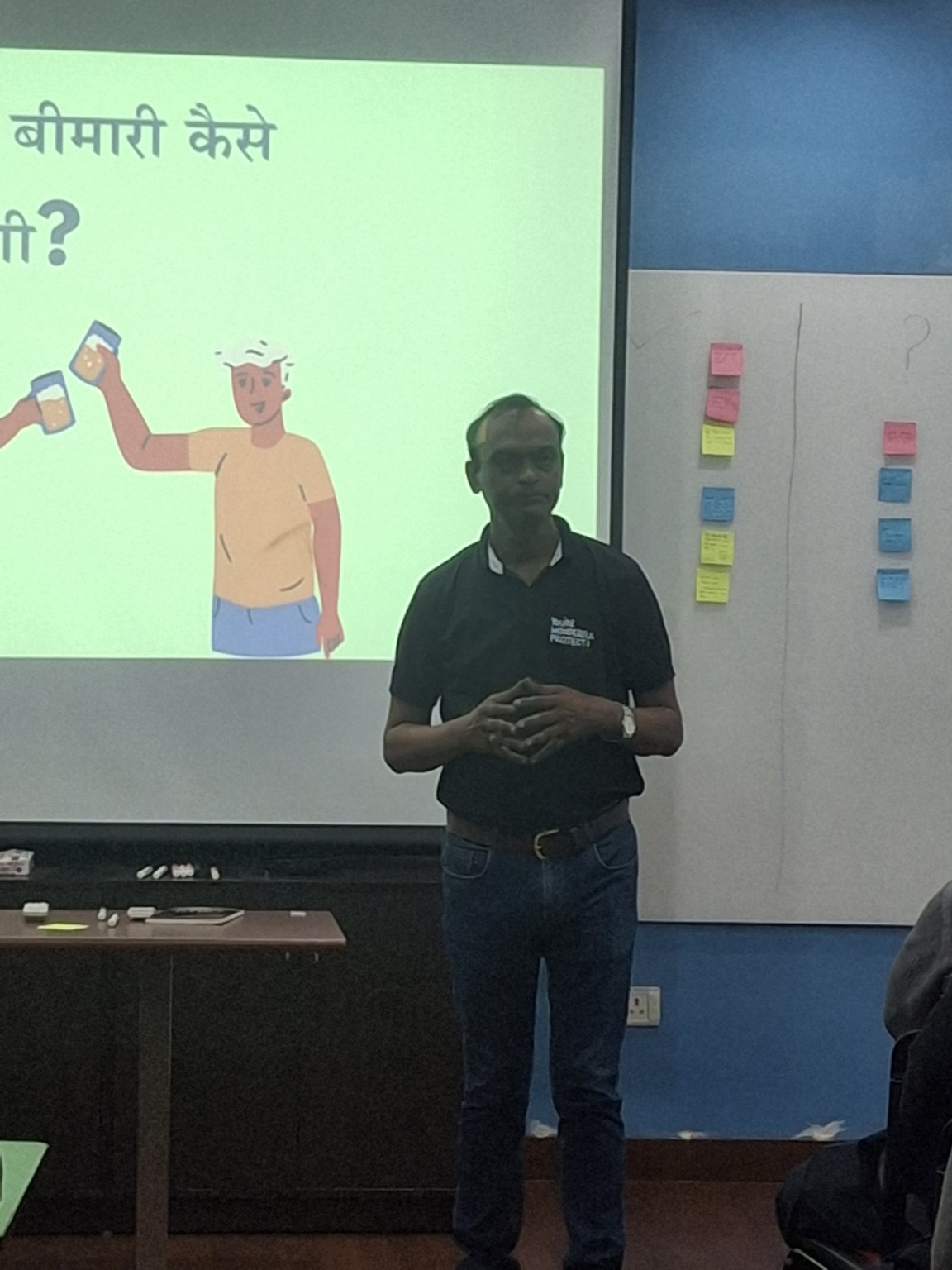
WHY THIS MATTERS
People need tools for choices, not shame for asking questions.
Substance-use concerns can be difficult to discuss openly. Fear-based messages and stigma may close conversations precisely when honest information and support are needed.
We aim to create space for practical learning about risk, influence, coping and support. Prevention is stronger when it connects age-appropriate education with family, school and community environments—not when a single talk promises to solve everything.
Improve understanding of substance-use risks, peer influence, healthy choices, early concerns and appropriate routes to help.
Interactive, non-sensational education that may draw on lived recovery experience alongside qualified specialist input when the scope requires it.
What the programme can cover.
Content is selected with the partner to fit the audience, setting, language and learning needs.
Facts beyond myths
Discuss what substance use and addiction mean, why risk varies and how stigma can interfere with seeking support.
Peer influence & decisions
Practise assertive communication, refusal skills and recognising situations where social pressure can shape choices.
Coping without substances
Explore stress regulation, connection, routines and other healthier ways to respond to distress or difficult feelings.
Early concern & support
Learn how to notice worrying patterns, respond respectfully and find qualified advice or treatment when needed.
From conversation to practical learning.
A programme can be delivered as an introductory session, a workshop series or a locally designed pilot.
01
Understand the local context
Discuss the audience, age, setting, language, existing resources and any safeguarding or referral needs.
02
Build a learning experience
Use facilitated discussion, scenarios and practical skills exercises rather than fear, graphic examples or public confessions.
03
Connect learning to support
Share appropriate follow-up information and review what participants understood, while respecting confidentiality.
Programme duration, facilitator roles, safeguarding, permissions, accessibility and cost are confirmed with the partner before delivery.
WHAT WE WANT PARTICIPANTS TO GAIN
Clearer understanding. Useful next steps.
These are intended learning outcomes, not guaranteed health or behavioural results.
- Recognise common myths and risk situations
- Practise skills for peer pressure and everyday coping
- Use non-stigmatising language towards people experiencing addiction
- Understand when professional assessment or treatment is needed
A few things you may want to know.
Will the session include personal recovery experience?
Lived experience may be used responsibly to build understanding, but no participant is expected to share a personal story. The programme remains focused on the audience’s learning needs.
Can this work in schools and communities?
Yes, with different content and safeguards. School-age groups, adults and families should not automatically receive the same session.
Is awareness the same as treatment or rehabilitation?
No. Prevention education helps build knowledge and skills. Clinical treatment, withdrawal management and rehabilitation require appropriate qualified services.
LET’S CONNECT
Let’s open safer conversations about substance use.
Share the audience, location and goals for your institution or CSR initiative. We can discuss a practical, responsible prevention format.